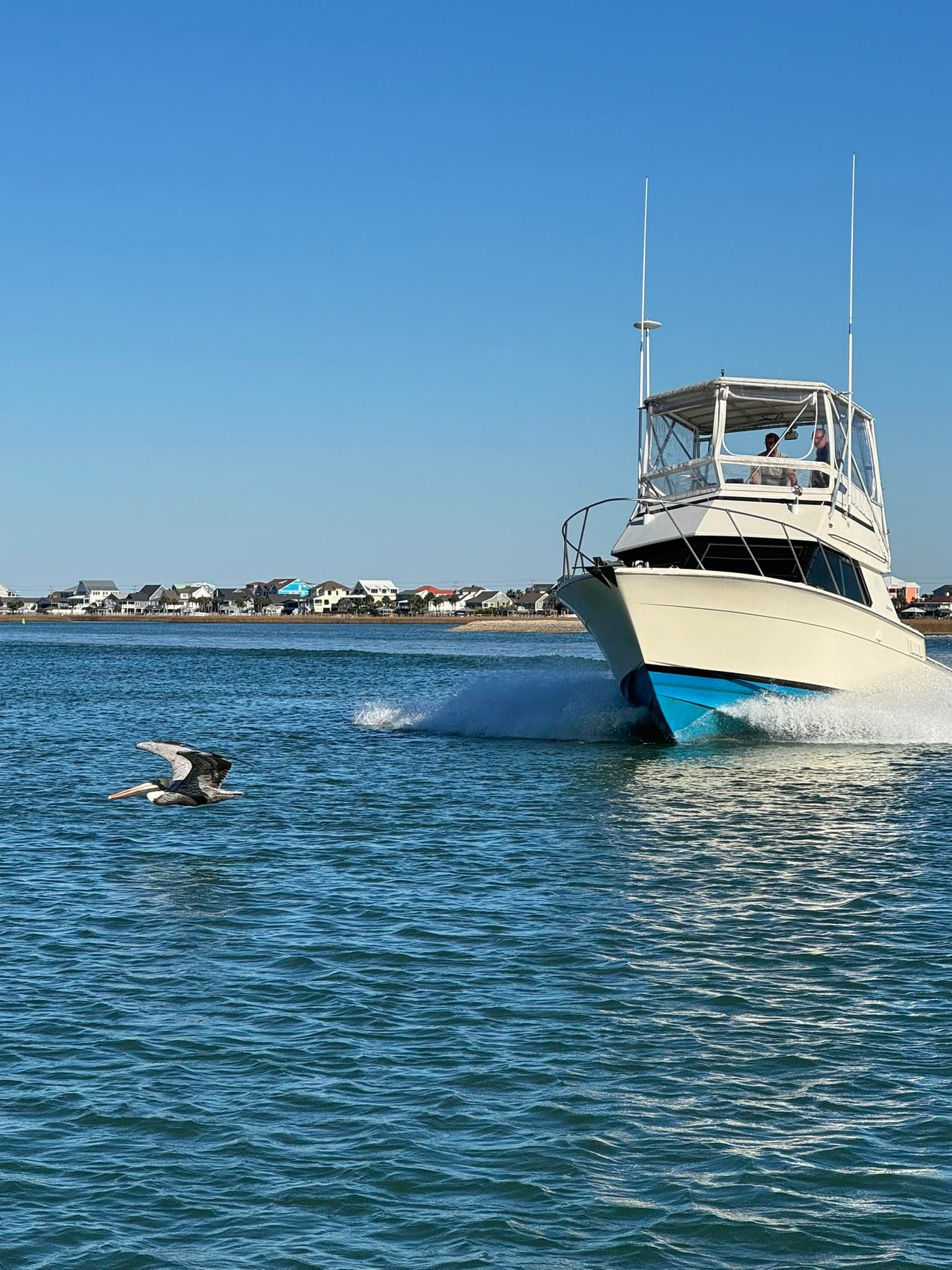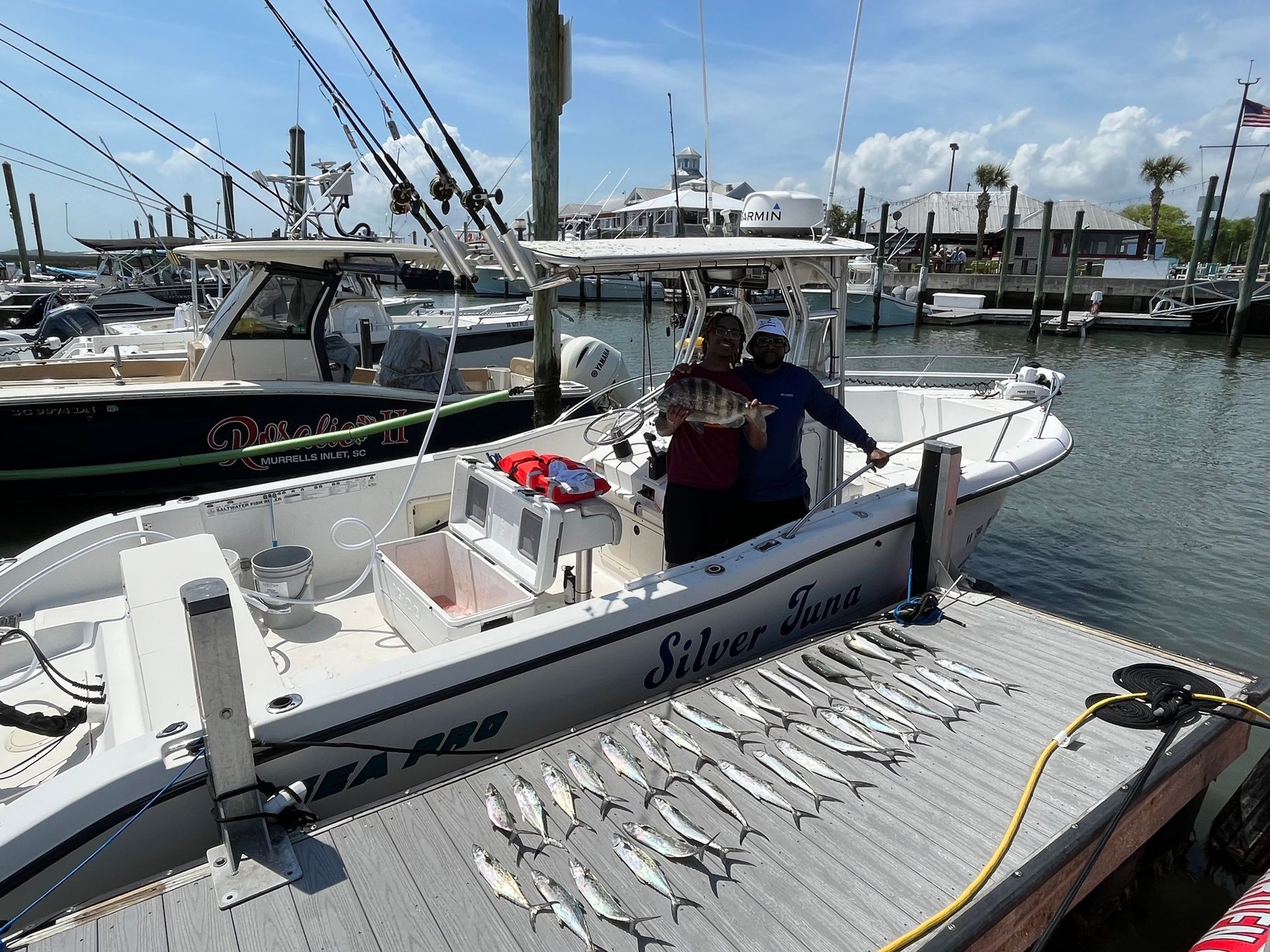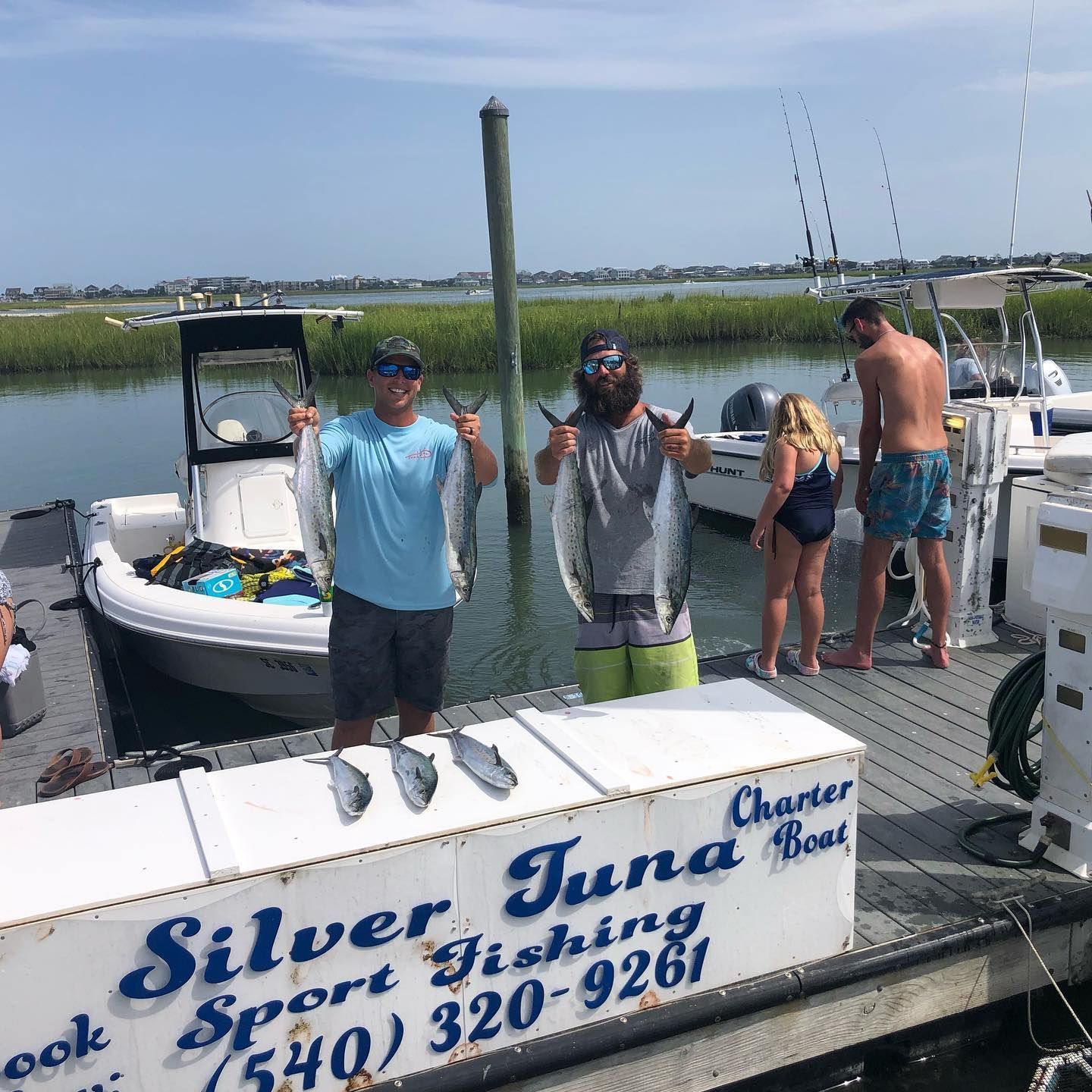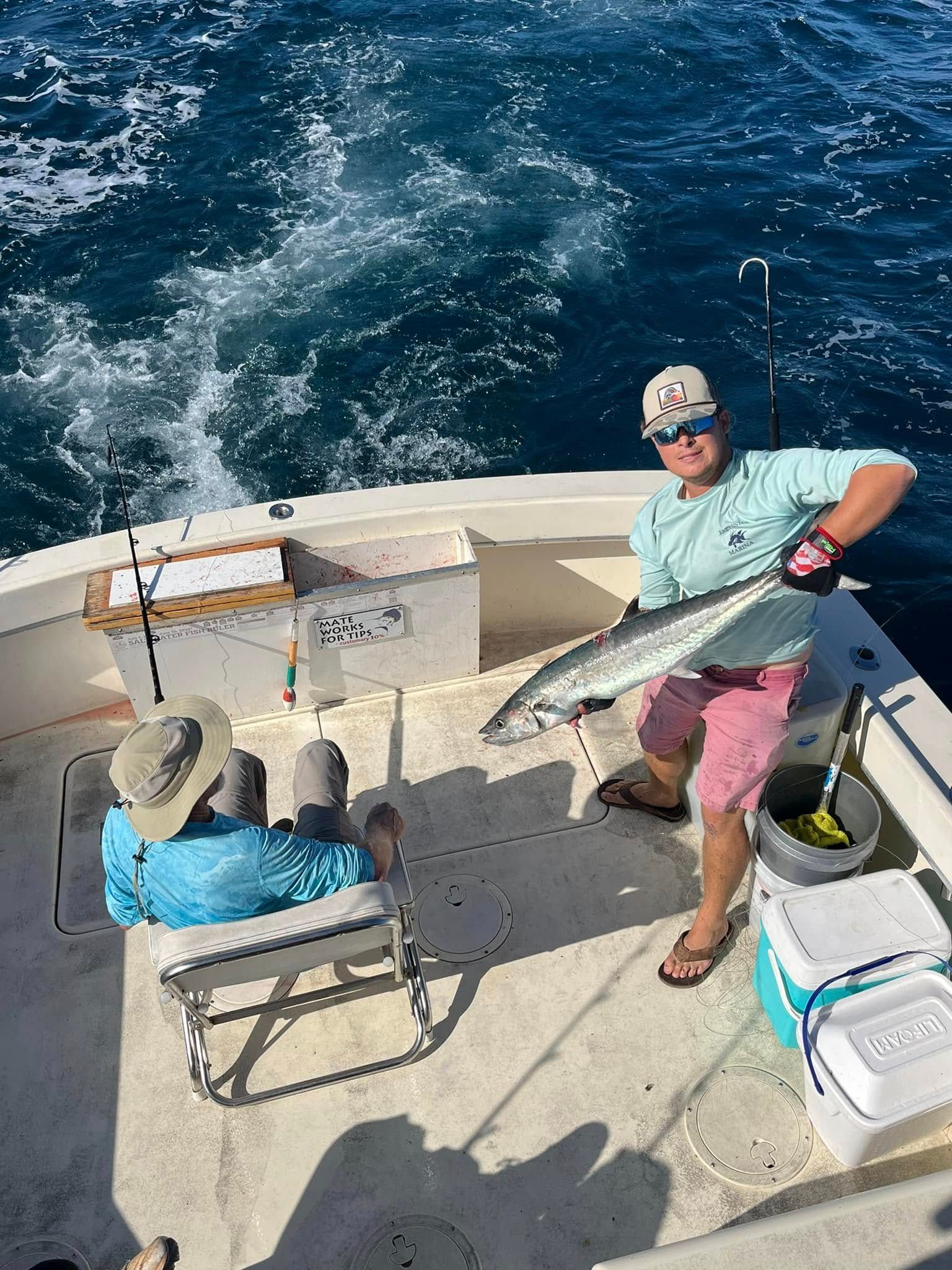
Full-Day Fishing Charters in Murrells Inlet, SC: What to Expect and Why It's Worth It
Murrells Inlet sits at the heart of South Carolina's Grand Strand, and its direct access to nearshore reefs, ledges, and open Atlantic water makes it one of the most productive fishing ports on the coast. A half-day captures a taste of that — but a full-day fishing charter is what actually gets you to the structure, the depth, and the species that require real travel time to reach. If you've been wondering whether the longer commitment is worth it, this post walks you through exactly what your day looks like from pre-dawn departure to dockside fish cleaning.
Why Murrells Inlet Is Built for Full-Day Fishing
Murrells Inlet's working waterfront and inlet mouth give you a short run to nearshore structure and a realistic path to true offshore water — both on the same day if conditions allow. The inlet's geography means less time idling through protected water and more time covering productive ground.
Fall — specifically September and October — is one of the most active windows of the year here. Water temperatures drop from summer highs, baitfish push along the coast, and predator species stack up across multiple depth zones at the same time. King mackerel run their fall migration, flounder make their offshore spawn push, and redfish school on nearshore structure all at once. A half-day trip catches a slice of that activity. A full day lets your captain respond to what's actually happening and move between spots as the bite shifts.
Full-Day Nearshore vs. Full-Day Offshore — Which Format Fits You?
Choosing between nearshore and offshore before you book shapes your entire day, so it's worth understanding what each format actually delivers.
Full-day nearshore keeps you within roughly 3–20 miles of the inlet, working reefs, wrecks, live bottom, and structure transitions. This format suits anglers who want variety and mixed-experience groups — and it's the better call if seasickness is a real concern. In fall, nearshore trips target red drum schooling on structure, flounder during their migration peak (confirm current SC regulations before booking), speckled trout moving into inlets on cooling water, sheepshead on barnacle-covered jetties, black sea bass, and Spanish mackerel pushing through. The full-day format gives your captain time to work three or four spots rather than rushing one location before heading back.
Full-day offshore runs 20–60-plus miles depending on target species and conditions. Travel alone takes 1.5–2 hours each way, which is why a half-day offshore trip effectively gives you 1–2 hours of fishing — barely enough to set a trolling spread. A full day opens up 5–7 hours of actual fishing time, which is what wahoo, mahi-mahi, king mackerel, amberjack, grouper, and snapper require. Early fall is still prime for mahi before water temps drop in late October, while wahoo peak during cold-front windows. Red snapper fishing is subject to federal season windows — confirm current regulations when you book.
If you're newer to offshore fishing and want to build skills on nearshore water before committing to an offshore run, the full-day nearshore format is a smart starting point.
What Does a Full-Day Charter Timeline Actually Look Like?
A full-day charter from Murrells Inlet earns its fishing hours by starting early — typically a 5:30–6:00 AM departure — so you're on productive water before the heat of the day and well ahead of afternoon wind.
The night before: confirm your booking, pack sunscreen, layers (fall mornings on the water are cool), food, drinks in a soft cooler, and seasickness medication if you need it. Arrive at the dock a few minutes early to meet your captain, load gear, and go through the safety briefing.
Departure and transit (6:00–8:00 AM): Nearshore runs take 20–45 minutes to the first spot. Offshore runs take 1.5–2-plus hours — use that time to rig up, watch for birds working baitfish on the surface, and enjoy the sunrise over open water as the bottom color changes from green to blue beneath the hull.
Morning fishing block (8:00 AM–noon): Your captain reads the electronics, checks current and structure, and puts you on the first presentation — bottom fishing or live bait nearshore, or a full trolling spread offshore covering water for pelagics. Fall's cooler water keeps fish active through the morning, making this the most productive block of the day.
Midday reset (noon–1:00 PM): Break for lunch, evaluate the catch, and adjust the plan. This flexibility is a full-day exclusive — on a half-day trip, you'd be heading back right now. Your captain may move to a second location, change depth, or switch technique based on what the fish are doing.
Afternoon fishing block (1:00–4:00 PM): Afternoon tidal shifts can trigger a second bite window. Flounder and redfish often move on the tide change nearshore; offshore, bottom jigging and deeper structure fishing take over if the trolling bite has slowed. Species diversity is highest when you've covered multiple spots across the day.
Return and wrap (4:00–5:30 PM): Head back into Murrells Inlet, fish get cleaned dockside (most charters include basic cleaning — confirm when you book), and you leave with fillets, photos, and a full-day story worth telling.
Seasonal Timing: Why Fall Rewards Full-Day Anglers Off Murrells Inlet
September and October are when Murrells Inlet's fishery fires on multiple cylinders simultaneously. Cooling water activates species across every depth zone — flounder migrating offshore, drum schooling nearshore, kings and wahoo running the coast, bottom fish feeding up before winter. No single time window in the year stacks species across nearshore and offshore the way fall does.
Fall also means less boat traffic than the peak summer season, which gives your captain more flexibility on where to anchor, drift, or troll without competing for the same structure. Fall dates book quickly because experienced anglers know this — if you're planning a September or October trip, booking ahead of the season makes the difference between getting your date and missing the run entirely.
Is a Full-Day Charter Worth the Extra Commitment?
A full-day charter delivers more fishing hours, more species, and access to water a shorter trip simply cannot reach — making it worth it for most anglers who are serious about what they want to catch.
Half-day trips average 3–4 hours of actual fishing. Full-day trips deliver 6–8 hours. That's not just more time on one spot — it's the ability to work multiple locations, adjust to conditions, and target species at different depths throughout the day. If wahoo, grouper, snapper, or mahi are on your list, a full day is not optional; the travel time alone makes a half-day trip to those species unworkable. For groups of 4–6, the per-person cost on a full-day charter compares well against the alternative of booking individual guide trips, and the shared-day experience is in a different category entirely. Consider a half-day charter if you have young children, significant time constraints, or are testing the waters before committing to a longer trip — half-days have their place, especially for families.
A full day on the water off Murrells Inlet in fall is one of the most well-rounded fishing experiences on the South Carolina coast — the kind of trip that produces a real catch and a story that holds up when you get home.
Schedule your fall trip and explore availability with Silver Tuna Sport Fishing at the full-day charter booking page.