How to Book a Top-Rated Fishing Charter in Murrells Inlet, SC: What to Look For and What to Expect
Murrells Inlet sits where tidal creeks, salt marshes, and the Atlantic Ocean converge, which means you can choose between calm inshore waters and open-ocean nearshore runs from the same dock. That geography is exactly why the inlet attracts anglers at every skill level — but it also means you face a real decision before you ever step on a boat. Knowing how to compare charters, match your group to the right trip type, and book at the right time is how you turn a good idea into a great day on the water.
Why Murrells Inlet Works as a Departure Hub
Direct access to both inshore estuaries and nearshore Atlantic waters within a short run makes Murrells Inlet one of the more versatile departure points on the Southeast coast. Captains based here can reach redfish flats, flounder holes, and nearshore structure without burning half your trip time in transit.
The inlet also sits along the Grand Strand, so it draws experienced local captains who spend most of the year fishing these specific waters. That depth of local knowledge — which tides move which species where — is something you simply cannot replicate by hiring a captain who rotates between ports.
What Separates a Top-Rated Charter From the Rest?
A top-rated charter is defined by four concrete things: a licensed captain with documented local experience, a well-maintained coast-guard-compliant vessel, transparent inclusions, and responsive communication before you even book.
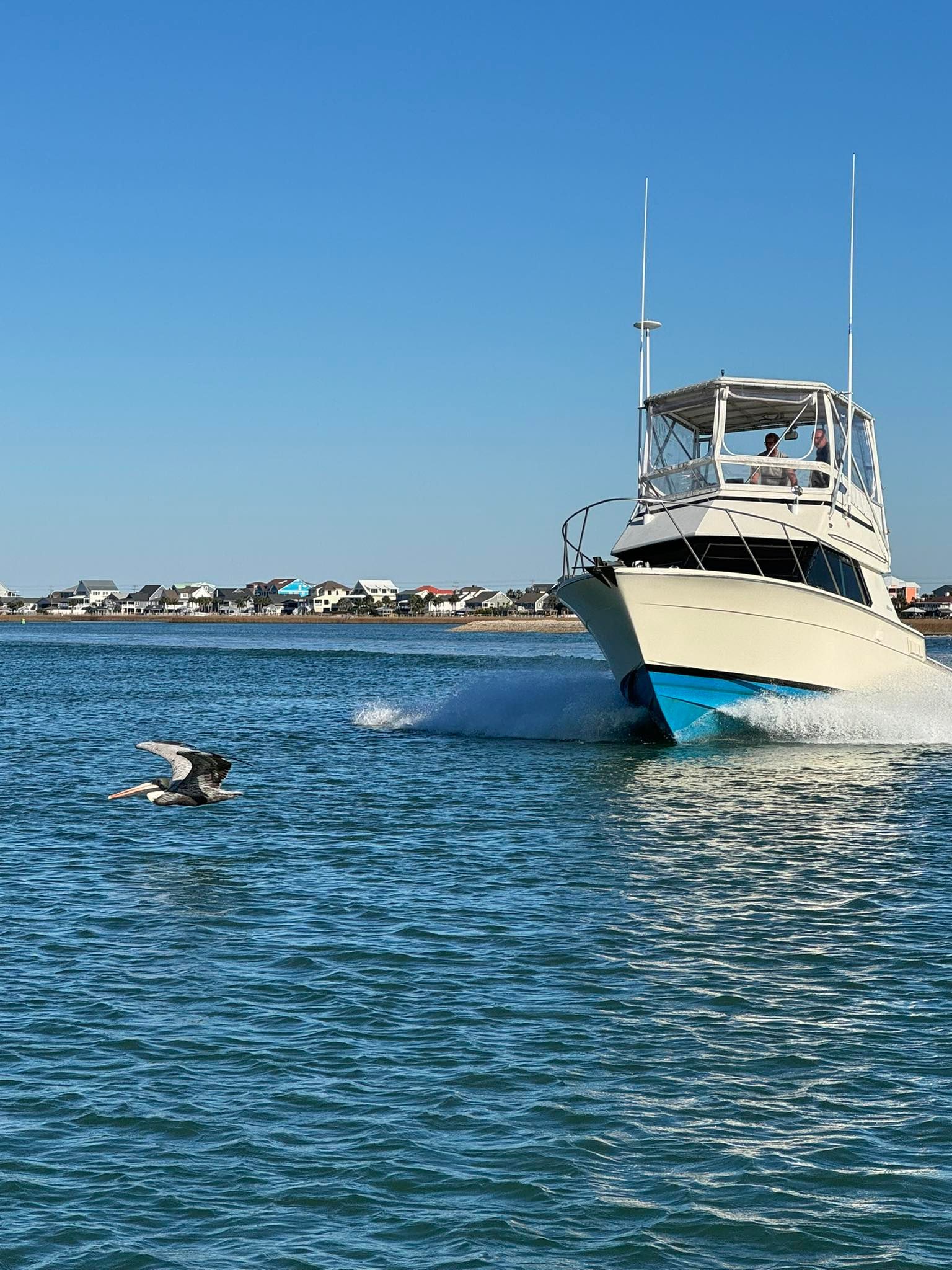
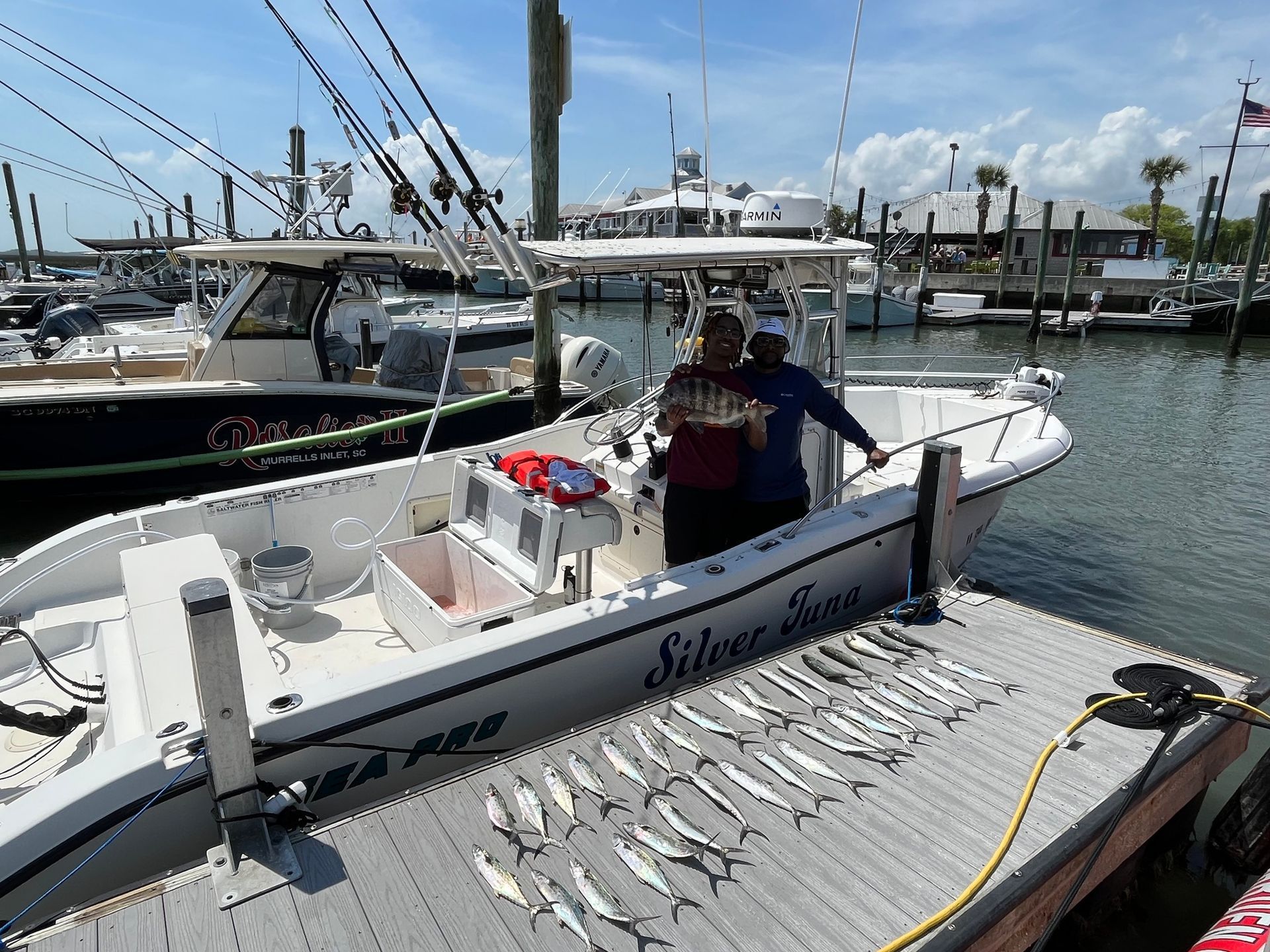
Start with licensing and vessel condition. A captain holding a valid USCG Masters License has met federal safety and competency standards. The boat itself should be regularly inspected and equipped with current safety gear. You can review our fleet to see what a properly outfitted charter vessel looks like before you commit.
Transparent inclusions matter just as much. A quality charter covers rods, reels, tackle, bait, and the SC recreational fishing license under the charter umbrella — you should not be surprised by add-on fees at the dock. Finally, pay attention to how quickly and clearly a charter responds to your inquiry. Slow, vague replies before booking often predict a disorganized experience on the water.
Inshore vs. Nearshore — Which Trip Is Right for Your Group?
Inshore trips stay inside the creeks, marshes, and estuaries where the water is calm and the targets are redfish, flounder, and speckled trout. Nearshore trips push 3–10 miles offshore into open Atlantic water, where you encounter more species variety but also more wave motion.
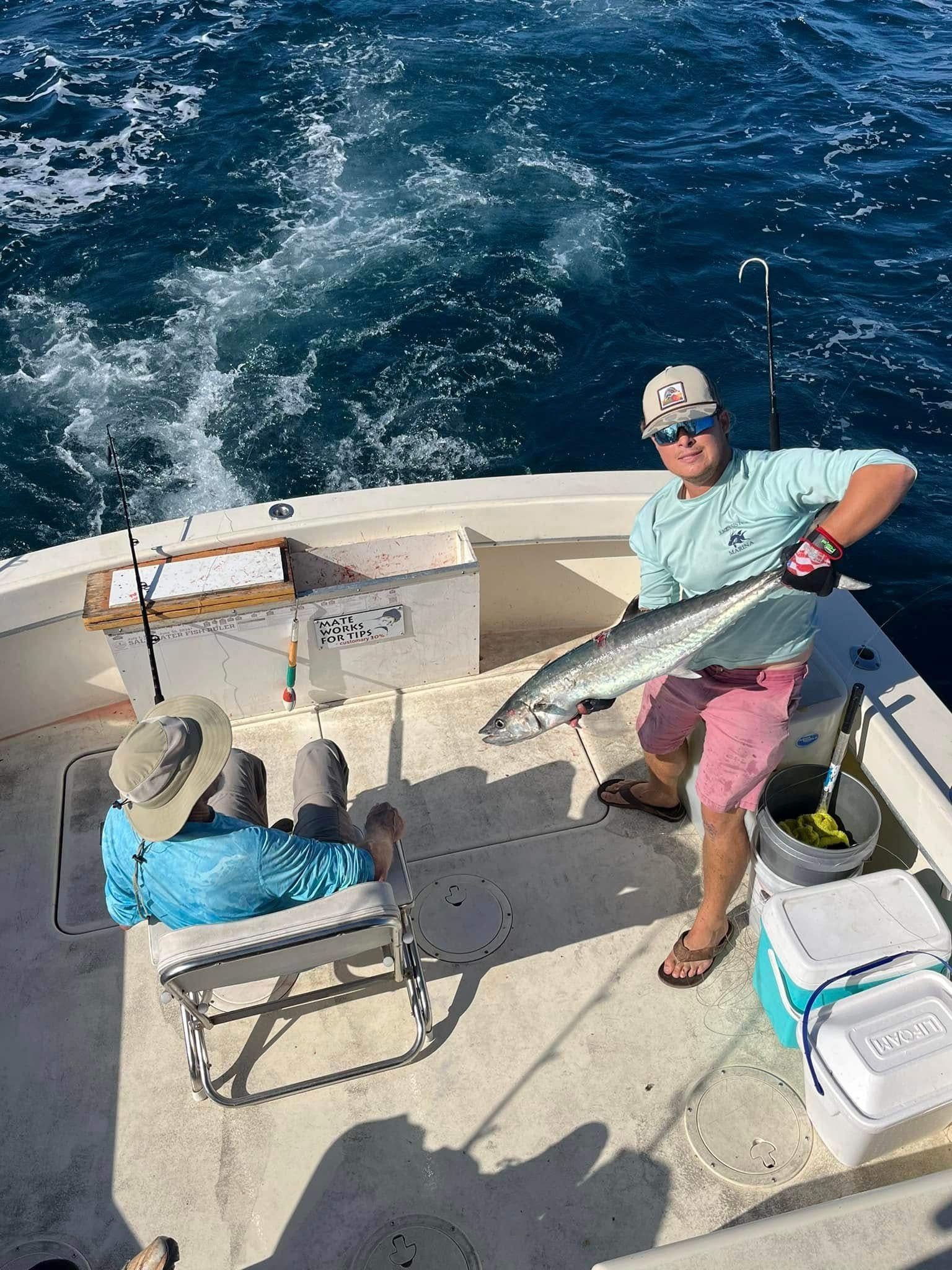
For families with young kids, beginners, or anyone who gets seasick easily, inshore is usually the smarter call. The calm water keeps everyone comfortable, and the action is often steady throughout the trip. If your group has some fishing experience and wants to target king mackerel, cobia, or a wider mix of species, nearshore opens up those options.
If your group includes newer anglers who want to build skills before heading offshore, pairing an inshore trip with beginner fishing instruction can make a real difference in how quickly everyone gets comfortable on the water.
Choosing the Right Trip Length for Your Group
Trip length determines how much water you cover, how long kids stay engaged, and how tired everyone is by the drive home. Match the length to your group's stamina and goals, not just your schedule.
- Half-day charters (4 hours): Best for families, first-timers, young children, and casual anglers. Lower physical commitment and enough time to land fish without exhausting anyone. See the half-day charter details for what to expect.
- ¾-day charters: A middle-ground option that covers more water and gives intermediate groups more time without the full-day commitment. This format works well for groups who want more than a taste but are not ready for a full offshore push. Explore the ¾-day charter option for specifics.
- Full-day charters (8+ hours): Built for serious anglers, groups chasing specific species, or anyone who wants to explore multiple fishing zones in a single outing. The full-day charter is where you maximize time on the water.
A useful rule: match trip length to the youngest or least experienced person in your group. One tired or frustrated angler can change the mood of the whole boat.
What's Included When You Book a Murrells Inlet Charter
Reputable charters include everything you need to fish: rods, reels, terminal tackle, and bait are all provided and rigged by the crew. The South Carolina recreational fishing license is covered under the charter operator's license, so you do not need to purchase your own before arriving.
The captain and mate provide guidance throughout — how to cast, how to work the bait, how to fight a fish. That hands-on coaching is part of what you are paying for. Fish cleaning is commonly available; confirm this detail when you book, as practices vary by operator.
Your job is to show up with sunscreen, water, snacks, a valid photo ID, and appropriate layered clothing. The crew handles everything else.
When to Book — Seasonal Timing for SC Waters
Summer (May through September) is peak season along the Grand Strand, and popular dates fill weeks in advance. If your trip falls in this window, booking 2–4 weeks ahead is a safe minimum — longer if you have a fixed vacation date or a large group.
Spring and fall are often the most productive fishing windows on these waters. Flounder peak in spring and fall, cobia push through in spring, and the summer nearshore heat gives way to more comfortable conditions. Competition for dates is lower, and the fishing can genuinely outperform summer months.
Winter trips are fewer but viable. Redfish are active year-round in the Murrells Inlet marshes, which means inshore action does not completely shut down when air temperatures drop. Shoulder-season bookers can often secure dates with a week or less of lead time.
What to Expect on Booking Day and Departure Day
Most charters accept reservations online or by phone with a deposit to hold the date, and a confirmation with meeting location, time, and trip details follows. Read that confirmation carefully — dock locations in a busy inlet can vary, and arriving at the wrong spot wastes time.
On departure day, arrive a few minutes early. The captain will give a brief safety and logistics rundown before leaving the dock. Dress in layers even in summer — water temperatures and wind feel different once you are moving. Bring more water than you think you need.
One honest expectation to set: fishing results are never guaranteed. Weather, tides, and fish behavior all play a role. What a skilled local captain provides is the best possible positioning, the right presentation, and the knowledge to adapt when conditions shift — and that consistently produces better outcomes than going in without one.
Choosing the right charter in Murrells Inlet comes down to matching your group's experience level, age range, and goals to the right trip type and length — then booking early enough to get the date you want.
Schedule your outing with Silver Tuna Sport Fishing and put a locally experienced crew to work finding fish for your group.