Top Fish Species You Can Catch Along the Grand Strand Throughout the Year in Conway, SC
Anglers near Conway, SC can target king mackerel, Spanish mackerel, cobia, redfish, flounder, and trout year-round by adjusting techniques and locations to match seasonal migration patterns along the Grand Strand.
When Do King Mackerel Arrive Along the Grand Strand?
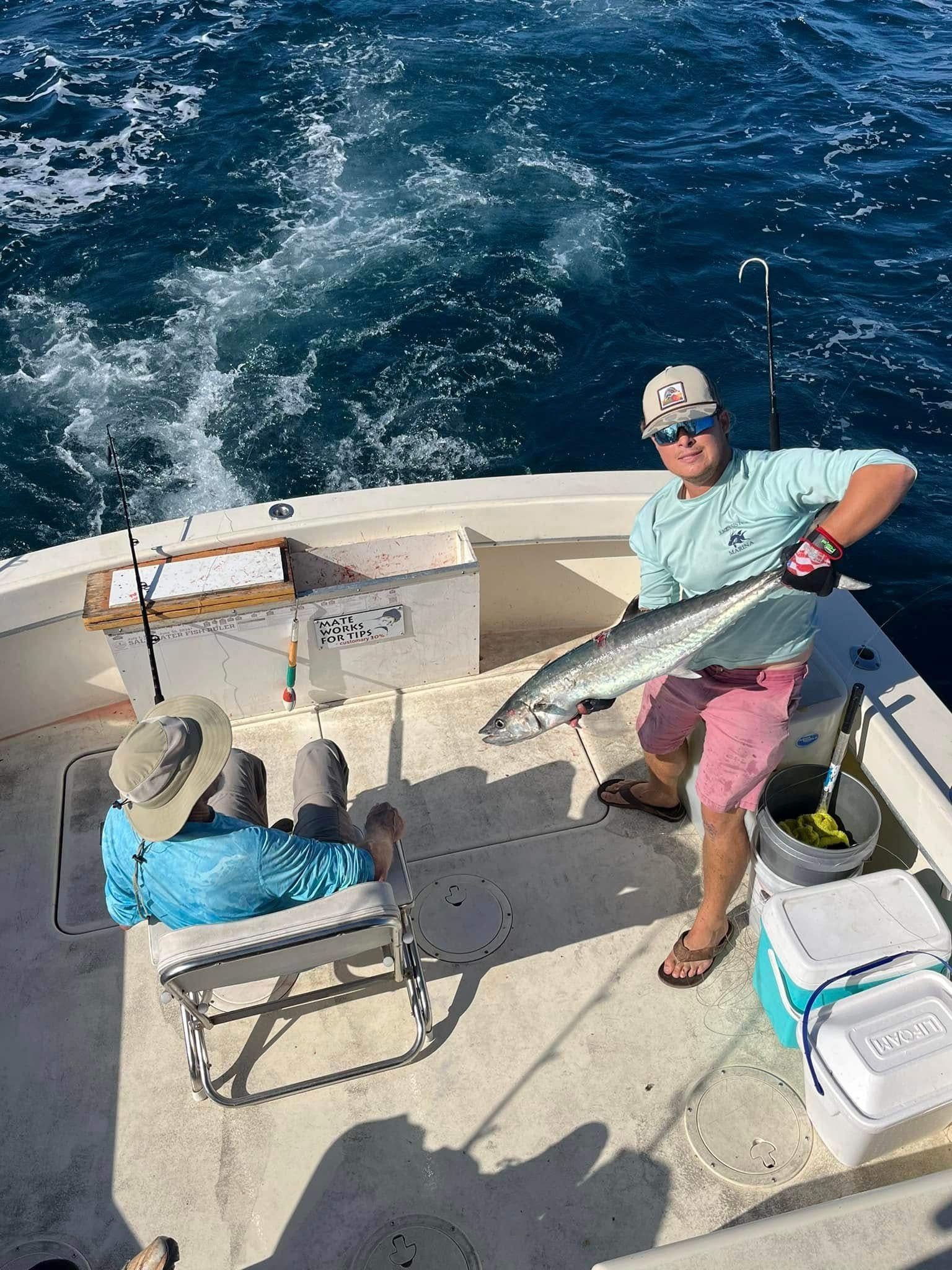
King mackerel migrate into Grand Strand waters from late April through October, peaking during summer months when water temperatures exceed 70 degrees.
These fast-swimming predators patrol live-bottom ledges in 30 to 60 feet of water, striking live bait and fast-trolled lures. Early morning and late afternoon produce the most aggressive strikes.
Kings often school near temperature breaks and current lines where baitfish concentrate. Targeting these zones increases your chances of multiple hookups during a single outing.
Which Inshore Species Bite Best in Spring?
Redfish and flounder become active in marsh creeks and tidal flats around Conway, SC as water temperatures rise above 60 degrees in March and April.
Redfish feed aggressively on shrimp and small crabs in shallow grass beds during incoming tides. Flounder ambush prey near creek mouths and oyster bars where current funnels baitfish.
Spring tides push nutrient-rich water into estuaries, triggering feeding behavior that makes inshore fishing highly productive. Anglers looking to find inshore fishing help in Pawleys Island, SC during this season enjoy consistent action in protected waters.
How Do Cobia Migration Patterns Affect Your Catch?
Cobia migrate northward along the Grand Strand from March through May, following warming water temperatures and spawning cycles.
These powerful fish travel near the surface, often following rays and sharks in nearshore zones. Sight-casting to visible fish provides exciting opportunities for anglers with quick reflexes.
By June, most cobia move farther north, but stragglers remain near offshore structure through early summer. Understanding this migration window helps you plan trips during peak activity periods.
What Fall Species Provide Consistent Action?
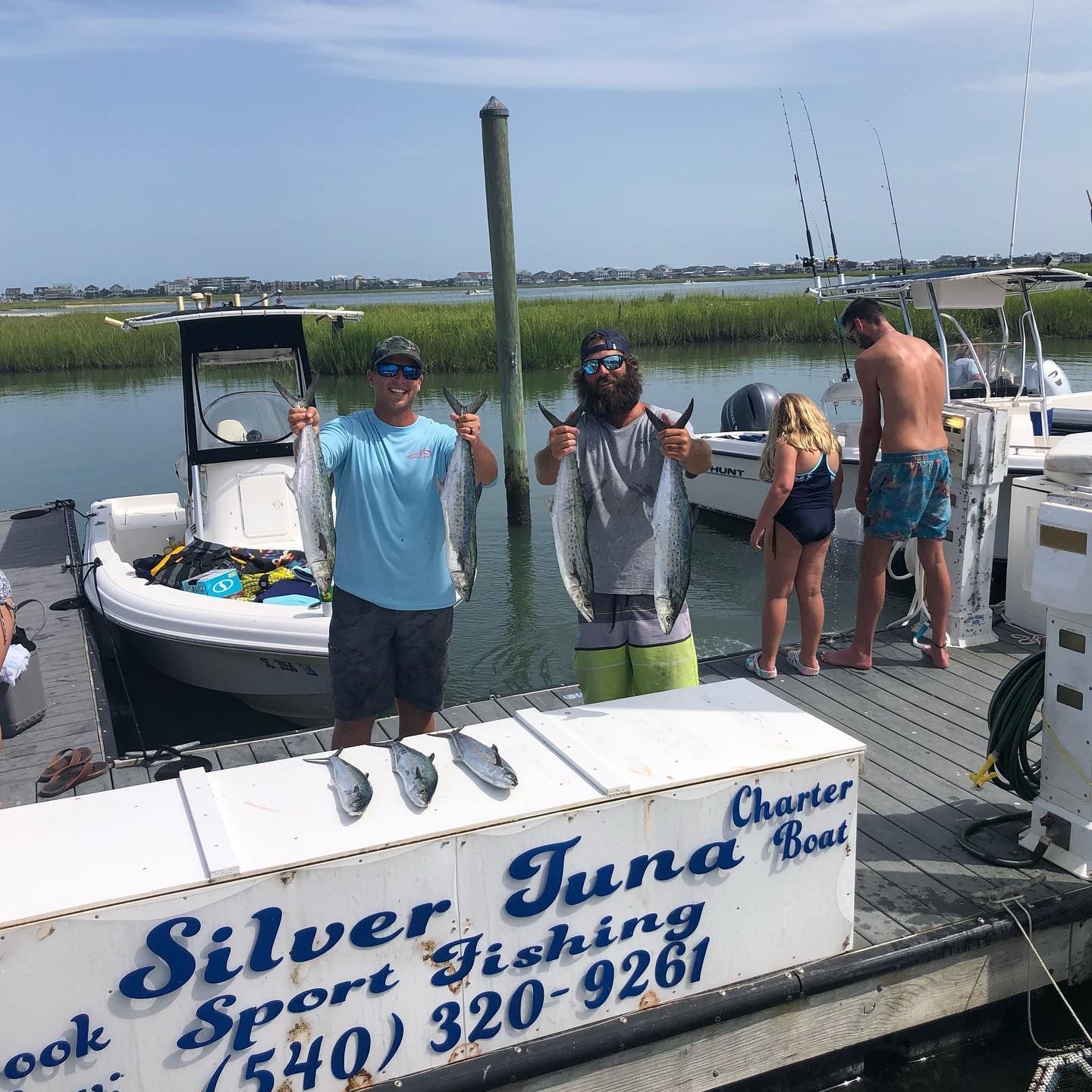
Spanish mackerel school in large numbers along the Grand Strand from September through November as they migrate south for winter.
These aggressive feeders strike small spoons, jigs, and live bait with explosive surface strikes. Schools often push baitfish to the surface, creating visible feeding frenzies.
Trout fishing also improves in fall as cooler water temperatures bring fish into shallow creeks and grass flats. Topwater lures produce exciting strikes during low-light periods at dawn and dusk.
Can You Fish Year-Round Near Conway, SC?
Yes, year-round fishing remains productive by targeting species that tolerate cooler winter water temperatures in deeper channels and offshore structure.
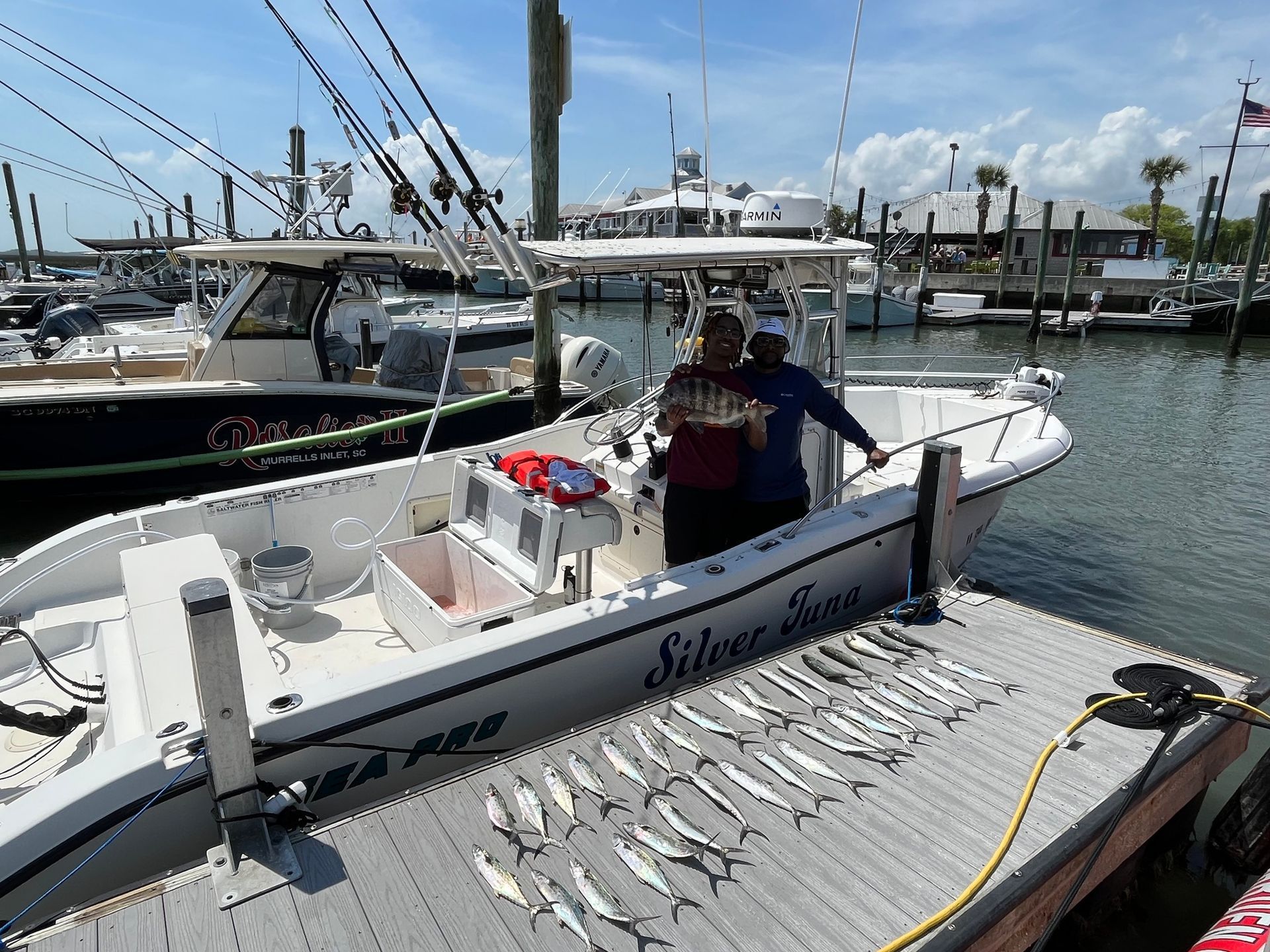
Winter months from December through February offer excellent opportunities for sheepshead around docks and jetties. Trout remain active in deeper creek channels where water stays warmer.
Offshore fishing slows during winter, but nearshore structure still holds black sea bass and other bottom species. Adjusting your approach to seasonal patterns ensures consistent catches regardless of the calendar. When you're ready to explore nearshore options in Myrtle Beach, SC with expert guidance, you'll discover productive fishing in every season.
Silver Tuna Sport Fishing offers year-round charters targeting seasonal species along the Grand Strand with expert local knowledge. Plan your next trip at to experience the best fishing action each season has to offer.